
Cooperatives bring electricity to rural and suburban Texas, turning on the lights and improving quality of life.
By the 1930s, most urban areas in the United States and Texas had already been living with the conveniences of electricity for nearly 50 years.
A nighttime view over Texas during that era would have shown large clusters of light glowing around Dallas/Fort Worth, Houston, San Antonio, El Paso and Austin. Aside from a few scattered pockets, the rest of the state would have been totally dark.
It was simply not profitable for the existing large, private power companies to serve rural areas. Farm and ranch wives cooked on wood stoves; children did their homework by the dim light of coal-oil lamps; water was pumped by hand, just as it had been for centuries. Radio communication with the outside world was all but unknown.
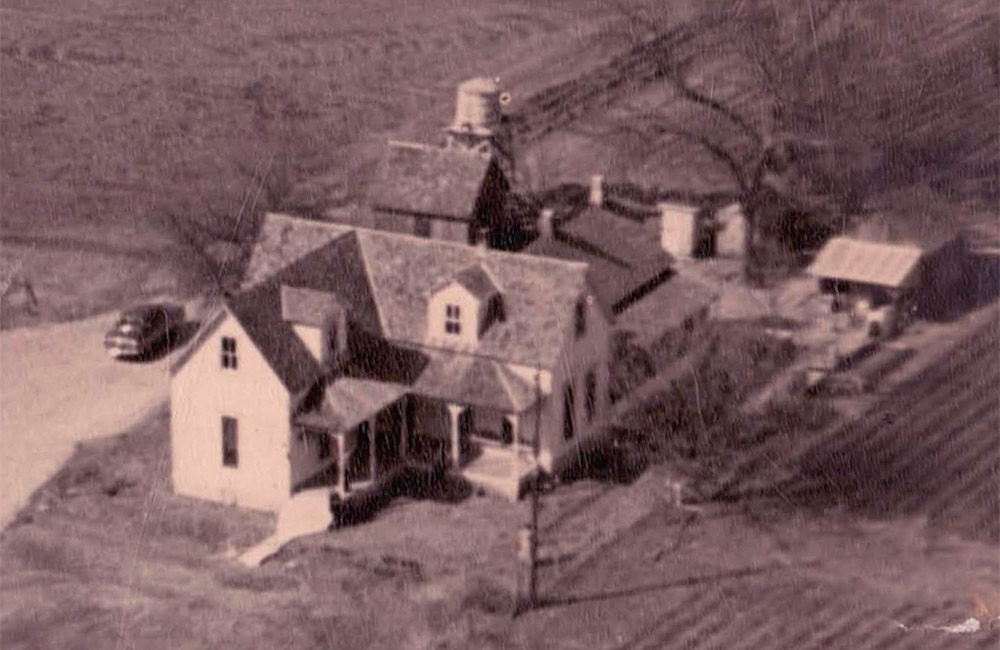
Finally, in 1935, with the establishment of the Rural Electrification Administration, farmers and ranchers could borrow federal money and take it upon themselves to form local, consumer-owned electric cooperatives. At last, light shone on rural America. The impact was even greater than anyone had imagined. By 1940, 567 cooperatives across the nation were providing electricity to 1.5 million consumers in 46 states. Today, nearly 900 electric co-ops serve 40 million people in 47 states.
In 1935, Bartlett Electric Cooperative in Central Texas was first in the nation to turn on the lights for its members. Today, Bartlett EC is one of the 76 electric cooperatives—67 distribution co-ops and 9 generation and transmission co-ops—that provide safe, reliable electric service at a reasonable cost to more than 3 million member-consumers in Texas. Texas co-ops own more than 340,000 miles of line serving more than 2.5 million meters in 241 of the state’s 254 counties.
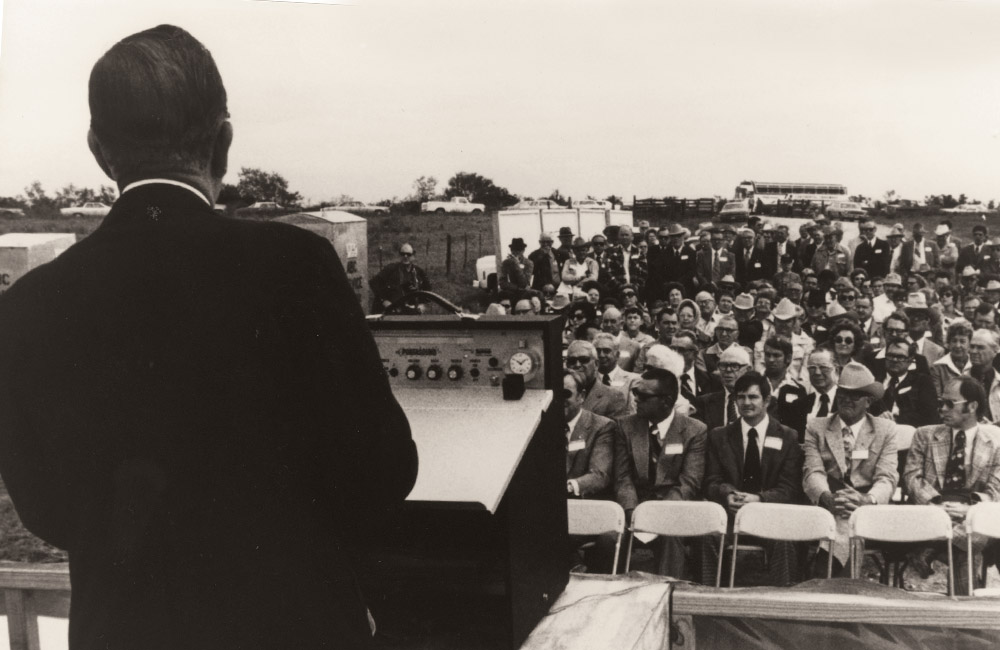
Electric cooperatives are democratic, tax-paying, not-for-profit businesses governed by member-elected boards of directors. As member-owned utilities, the distribution systems are self-regulating. In addition to providing electricity and other products and services to their member-consumers, electric co-ops adhere to a proud tradition of community service. Co-op members and employees participate in economic development efforts and are involved in charitable undertakings and numerous other volunteer activities that contribute to quality of life in the communities they serve.
All electric cooperatives adhere to the Seven Cooperative Principles that inform their purpose.